A Deal Set to Conclude: Balogun's Initial Agreement
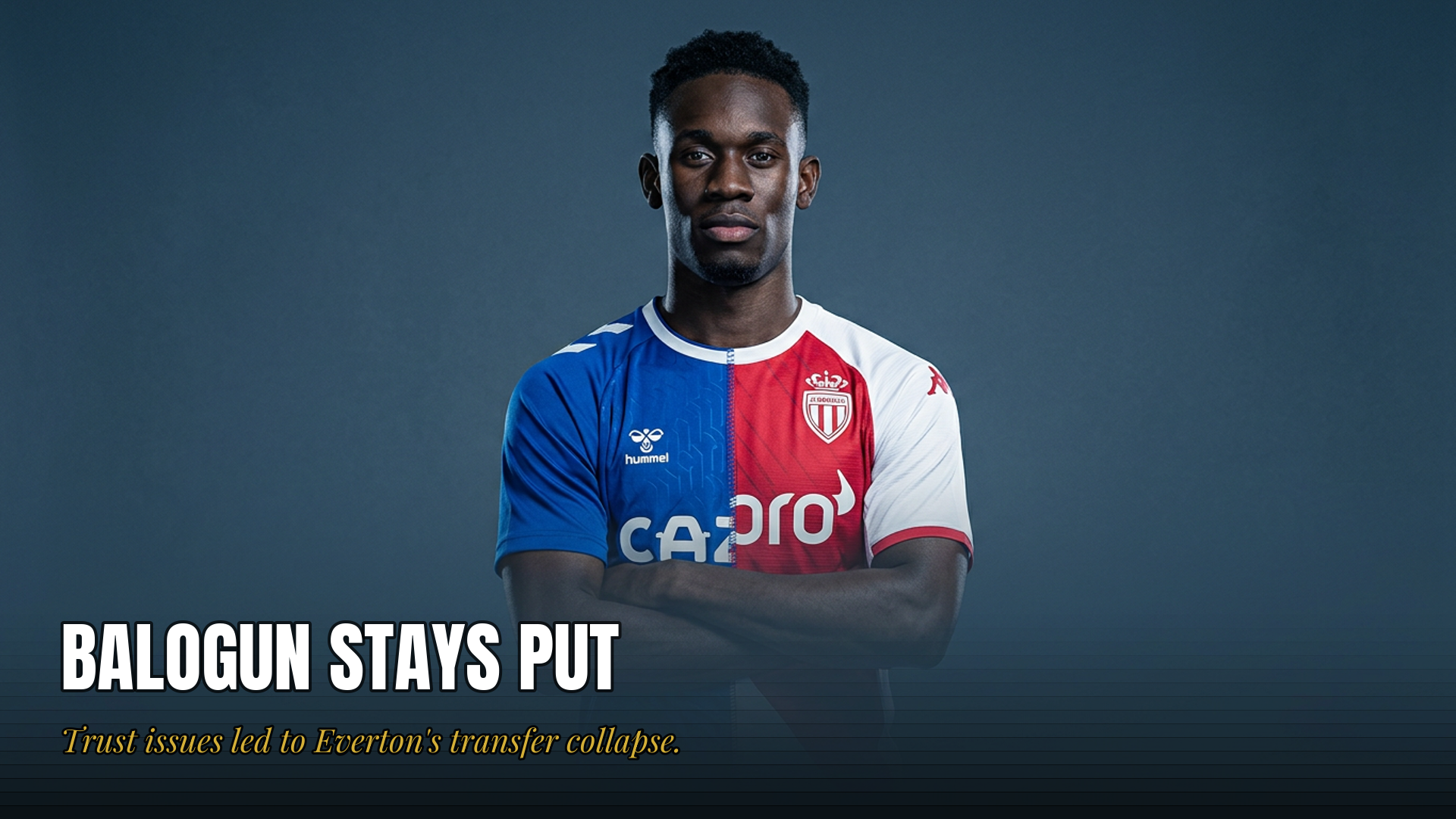
Folarin Balogun's move to Everton seemed almost sealed, marking a promising new collaboration between the player and the club. Everton had agreed on a £40 million deal with Monaco to bolster their attacking lineup immediately. Balogun traveled to Merseyside, poised to complete his medical examination and finalize paperwork. Given the urgency, Everton had submitted a deal sheet before the 11 pm deadline, utilizing Premier League rules to grant additional time to finalize the transaction. Both clubs even engaged in negotiations to wrap up personal terms, ensuring all was set before the clock ran out.
Medical Concerns Emerge: More Than a Health Check
However, during his medical at Everton's facilities, issues surfaced that posed significant obstacles. Everton's medical team flagged concerns that contradicted Monaco's clean assessment, questioning Balogun's future availability. This medical discrepancy highlighted how varied evaluation standards can be across clubs and was a crucial point as the parties spent two to three hours reviewing assessments and consulting other doctors. The clubs attempted contractual renegotiation to address these concerns, reflecting how health evaluations directly impact transfer proceedings and compel parties to seek compatible resolutions.
Communication Breakdown: The Turning Point
Ultimately, the major issue lay not solely in medical findings but the communication of these issues by Everton. Balogun grew increasingly uneasy about Everton's approach, feeling the club cast undue doubt on his health and future, rather than delivering the necessary confidence in such a high-profile deal.
The handling sparked suspicions about Everton's overall competence and intentions. Trust deteriorated swiftly as communication failed, shifting the focus from health assessments to professionalism and reliability. As Balogun's doubt escalated, so did his uncertainty about a potential future at Everton, highlighting how mismanaged communication can jeopardize a player's perception of club operations and overall appeal.
Stakeholders' Disbelief and Ramifications
Balogun’s decision not to sign the contract left both Everton and Monaco reeling. Everton, having already let Beto depart for Fiorentina in anticipation of Balogun’s arrival, suddenly found themselves without their expected forward reinforcement. The club was unprepared for this turn of events and was forced to reconsider its transfer strategy with urgency.
Monaco, initially optimistic when contractual renegotiations on Balogun’s deal seemed promising, had stepped back from selling Lamine Camara to Chelsea for £47 million. Balogun's cut-off not only collapsed the immediate deal but also disrupted Monaco's broader transfer plans, showing how a single decision can dismantle a carefully constructed strategic plan in the football transfer market.
Balogun commented, "I hesitated to entrust my future to a club that seemed to doubt my abilities and intentions."
Beyond the Medical: Trust in Transfer Dynamics
This situation with Balogun and Everton underscores the critical role of trust and clear communication in player transfers. It's insufficient to evaluate a player's medical status without addressing potential issues with sensitivity. Miscommunication can lead to significant fallout affecting a club's squad and future transfer plans.
Under such high-pressure circumstances, evaluations go beyond physical health. While Monaco and Balogun's medical staff disagreed with Everton's conclusions, failed communication transformed these differences into insurmountable obstacles. Trust is the real currency in transfer dealings, and its absence can bring transfers to a crashing halt, regardless of prior negotiations.
The Rise of Player Agency in Transfers
Balogun’s decision emphasizes the rising concept of player agency in football. Players increasingly control their career landscapes, seeking environments of respect and understanding. Transfers now revolve around both financial incentives and perceived mutual respect between player and club.
As shown in Balogun's experience, transfers are influenced as much by personal assurance as monetary benefits. This shift highlights the growing significance of confidence and trust in determining a player's career path, marking football's evolution towards empowering players to make decisions aligned with their core values and professional expectations. This trend may redefine how clubs approach negotiations and player relations in future dealings.